

A few days in Split. Visit the Croatian coast

We went on a short trip, more like a long weekend, to Split, Croatia. It's not an unknown place. Split is known to all of us and most of us have visited it.

A city full of history and the specific culture of this region, surrounded by rocks and the beautiful sea. Split, Croatia is accessible from every major international airport in Europe. We tried the Schwechat - Split airline. The flight from Austria's main airport, Schwechat, takes approximately 55 minutes. The airport transfer from the airport to the city (depending on the hotel) will take you approximately half an hour. With waiting for the flight and the time needed for departure and transportation to the airport, you will be in Split in practically 5 hours.
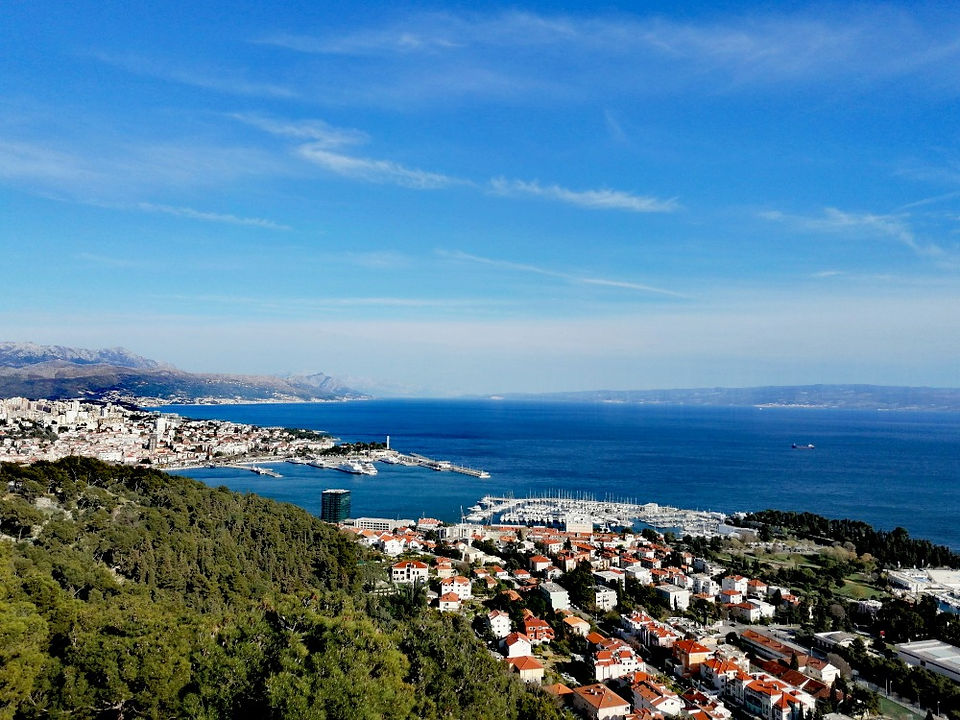
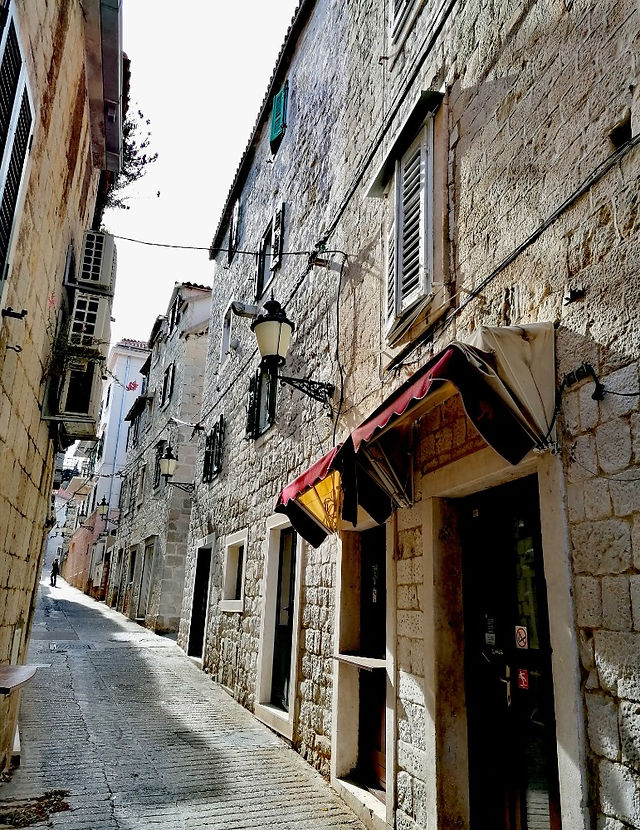
Compared to other locations and seaside resorts, Split is a bit more special. You will find interesting stories from history, the narrowest streets, important landmarks that have been preserved to this day, but also the beautiful and clear sea. Split is a major tourist destination. The historic city center (Grad) is a UNESCO World Heritage Site. There is a major international port near the city center.
A brief history
The history of Split is extremely rich, given its geographical location and importance throughout each century. Split was founded at the end of the 3rd century by the Roman emperor Diocletian, who built his palace here, around which the city began to develop.
During the period of territorial growth of the Byzantine Empire in the 6th century, Split was part of this empire. The Byzantine Empire gradually lost influence in the area and the Republic of Venice sought to acquire the strategically important city. Medieval Hungary also had some influence here. From 1069 it was part of the Kingdom of Croatia, which later fell to Hungary. In 1420, Split was annexed to the Republic of Venice.
The rise of the city in the 15th and 16th centuries enabled trade with the Ottoman Empire, goods were exported mainly to the hinterland and to the territory of present-day Bosnia and Herzegovina. The border with Turkey began about 3 km beyond the city. At this time, Split was also the center of Renaissance culture and literature.
In 1797, when the Venetian Republic collapsed, Split (along with the whole of Dalmatia) was acquired by the Habsburg Monarchy. This was the case until the Napoleonic Wars, when the city was briefly seized by France and the so-called Illyrian Provinces were established there. The French modernized the street network and had some parts of the medieval fortifications demolished. After the return of Austrian rule in 1813, however, Split was affected by economic stagnation. The Habsburg rule was only ended by the First World War and its consequences. During the Second World War, the city was part of Italy.
Monuments and places that are worth visiting
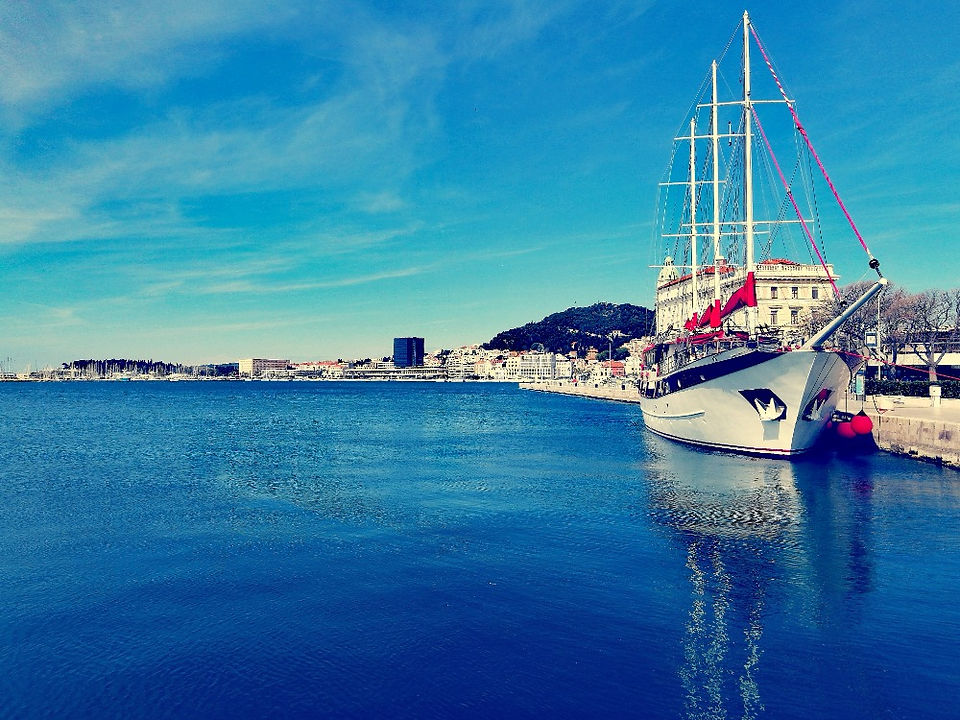
Right by the sea along the harbor bay in the old town is the Riva promenade, one of the symbols of the city. There you will find many cafes and restaurants with views of the sea and the harbor.
Diocletian's Palace (Croatian: Dioklecijana palača)
Papalić Palace (Croatian: Papalićeva palača), which now houses the city museum
Old Town Hall and Church of Our Lady with an Early Romanesque Bell Tower (Croatian: Crkvica Gospe od Zvonika) at the Iron Gate
Republic Square (Croatian: Trg republike, also Prokurative) with administrative buildings and the palace of the former Venetian governor
National Square (Croatian: Narodni trg, colloquially Pjaca) with the Vida Morpurga bookstore
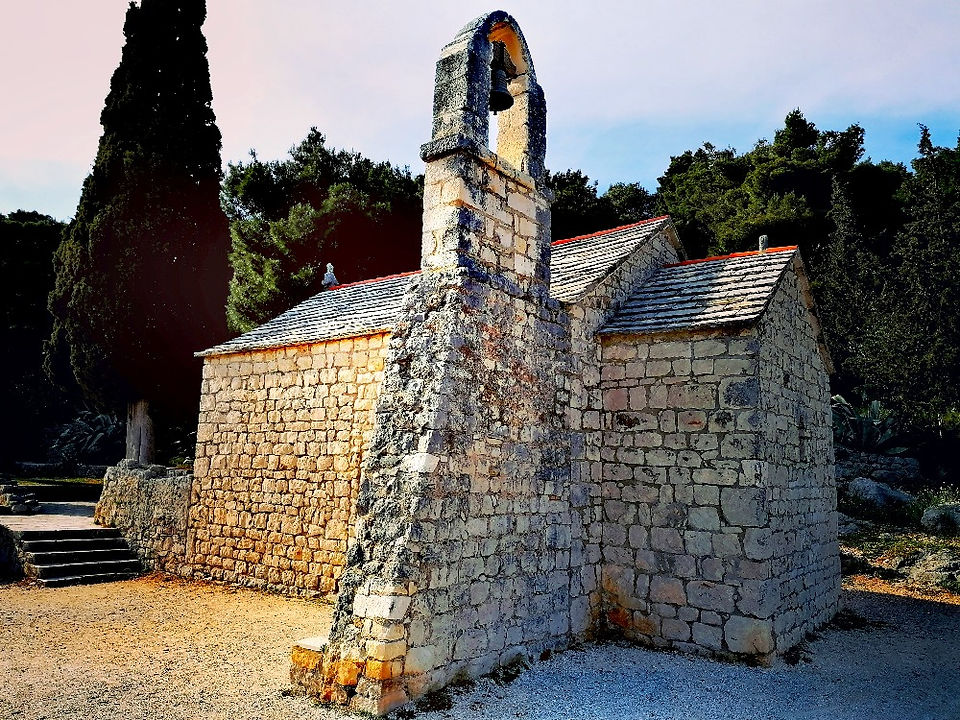
Marjan Forest Park (Croatian: Park Šuma Marjan) on a peninsula in the western part of the city with the Telegrin auditorium (178 m), numerous chapels and an old Jewish cemetery from the 16th century
Gripe Fortress (Croatian: Tvrđava Gripe) in the Lučac–Manuš district, built by the Venetians in the 17th century to defend the city against the Turks
Croatian National Theatre (Croatian: Hrvatsko Narodno Kazalište), built next to the remains of a Venetian fortress on Marmontova Street
Important and useful links
https://slobodnadalmacija.hr/ (local newspaper)
Photo gallery






WT.24
Photo WT.24, W. Dahl


Comments